
Is Minoxidil Shedding Normal or a Reason to See a Doctor?
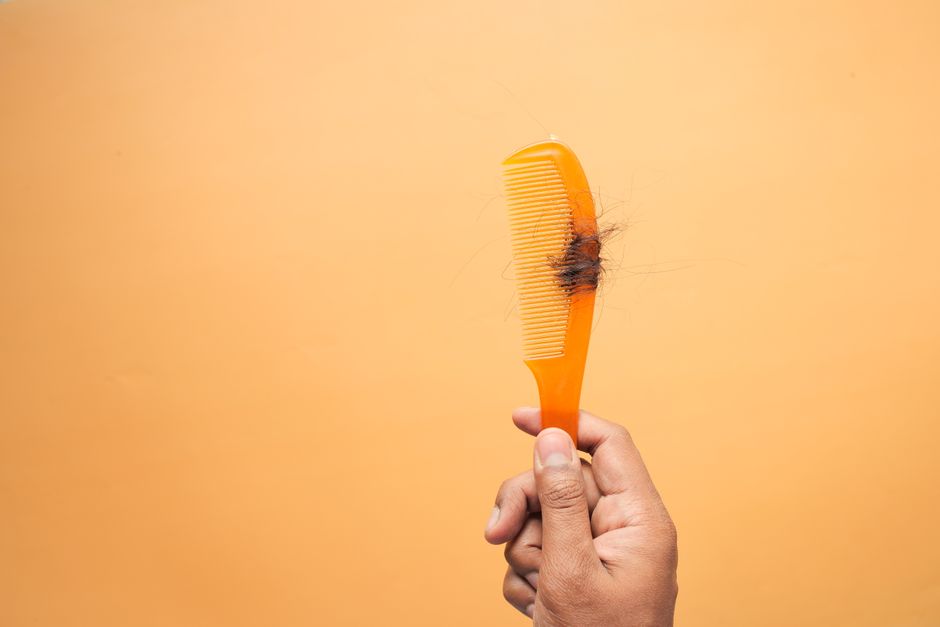
A short increase in shedding can be expected when minoxidil begins, but the timeline matters. For 5% topical foam, FDA patient information says it may last up to 2 weeks; for low-dose oral minoxidil, shedding commonly starts in weeks 2 to 4 and resolves around week 6. Shedding that persists, worsens, or arrives with scalp or heart-related symptoms needs medical advice.
Is it normal to shed more hair after starting minoxidil?
Yes, an initial increase in shedding can be normal after starting minoxidil. It is not a blank check to ignore every change, though. The useful move is to judge the shedding against the treatment type and its expected time window, not against the anxiety of a single shower or brush.
The FDA patient information for 5% minoxidil foam says hair loss may temporarily increase for up to 2 weeks at the start of treatment. Its instruction is direct: if the increase continues after 2 weeks, see a physician. That gives topical users a practical decision point.
Low-dose oral minoxidil is a different conversation because it should be clinician-led. The American Academy of Family Physicians reports that increased shedding with oral minoxidil typically begins during weeks 2 to 4 and resolves at approximately 6 weeks. Do not apply a topical timeline to an oral prescription, or vice versa. That comparison creates false reassurance.
| Treatment context | Expected early shedding window in the cited guidance | Practical response |
|---|---|---|
| 5% topical minoxidil foam | May temporarily increase for up to 2 weeks | Track the start date; contact a physician if increased shedding continues after 2 weeks. |
| Low-dose oral minoxidil | Typically begins in weeks 2 to 4 and resolves at approximately 6 weeks | Discuss persistent shedding with the prescribing clinician rather than adjusting the dose yourself. |
| Any form with red flags | No wait-and-see window | Stop and ask a doctor as directed by the topical FDA label. |
Use the calendar, not guesswork. Write down the date minoxidil began, the form used, and when shedding increased. That simple record gives a clinician a usable timeline instead of the vague report, “It has been a while.”
How long does minoxidil shedding last?
Topical-foam shedding should not continue beyond 2 weeks without medical input, while oral-minoxidil shedding commonly resolves at about 6 weeks. These are decision thresholds, not promises that every person will follow the same pattern.
There is one other rule worth keeping firm: more product is not a faster route out of shedding. FDA patient information says applying topical minoxidil more often or in larger amounts does not speed hair growth and can increase the risk of side effects. The weak response is, “I will double the application until this settles.” The stronger response is, “I will use it only as directed and document what changes.”
Do not self-classify sudden or patchy loss as a normal adjustment period. The FDA-approved topical label advises against use for sudden, patchy, or unexplained hair loss, and for a scalp that is red, inflamed, infected, irritated, or painful. Those details change the task from monitoring a treatment response to getting the cause assessed.
Use this red-flag script when booking care: “I started [topical or oral] minoxidil on [date]. The shedding began on [date], has [continued or worsened], and I also have [symptom]. I need advice on whether to continue.” It reduces the clinician's cognitive load and keeps the call focused.
When should I see new hair growth after minoxidil?
Some topical users may see results after 2 months of twice-daily use, but meaningful visible regrowth often takes longer: the American Academy of Dermatology says it usually takes about 6 to 12 months. Early shedding and visible improvement therefore run on very different clocks.
The FDA-approved label for 5% topical minoxidil states, “Results may occur at 2 months with twice a day usage,” while some users need at least 4 months before seeing results. Do not treat a lack of obvious new growth in the first few weeks as proof that treatment has failed. It is too early for that verdict.
Oral minoxidil is not automatically the stronger option. In a 2024 randomized trial of 90 men with androgenetic alopecia, JAMA Dermatology found that 5 mg oral minoxidil once daily was not superior to 5% topical minoxidil twice daily for the trial's primary hair-density outcomes at 24 weeks. Oral treatment also had reported adverse effects: hypertrichosis occurred in 22 of 45 participants and headache in 6 of 45 participants receiving oral minoxidil.
Do not turn a timeline problem into a dosage problem. If oral minoxidil is under discussion, bring the evidence and the side-effect trade-off to the prescriber. If you are preparing for that conversation, this guide on what to discuss with a clinician before treatment offers a useful general model for arriving with clear questions and a symptom record.
What counts as a reason to seek medical advice?
Seek medical advice when the shedding misses its expected window, the loss is sudden or patchy, or the scalp is painful, irritated, red, inflamed, or infected. These are not minor qualifiers. They are the FDA label's boundaries for when topical minoxidil is not the right self-managed next step.
Stop use and ask a doctor if chest pain, a rapid heartbeat, faintness or dizziness, sudden unexplained weight gain, swelling of the hands or feet, scalp irritation or redness, or unwanted facial-hair growth occurs, according to the FDA-approved topical minoxidil label. For oral minoxidil, the AAFP also lists hypotension, tachycardia, headache, insomnia, excess facial hair growth, and increased shedding at initiation among reported adverse effects.
A dermatologist can help separate a treatment reaction from another cause of hair loss. The American Academy of Dermatology says assessment may include a scalp examination, a hair-pull test, blood tests, or a scalp biopsy to identify causes including disease, vitamin deficiency, hormone imbalance, or infection. The right next action is not to diagnose yourself from a timeline. It is to bring that timeline to an appropriate clinician.
Frequently Asked Questions
Should I stop minoxidil if my hair is falling out more?
Do not make that call based on a few alarming hairs alone. The FDA says topical 5% foam can cause a temporary increase in hair loss for up to 2 weeks when treatment starts, while the American Academy of Family Physicians says oral-minoxidil shedding typically resolves around 6 weeks. Contact a clinician instead of simply pushing through if shedding lasts beyond the expected window or you have red-flag symptoms.
Why am I still shedding after several months of minoxidil?
Several months of continued shedding is outside the short initial-shedding window described in the FDA foam information and the AAFP oral-minoxidil guidance. The cause may need investigating rather than guessing: the American Academy of Dermatology notes that a dermatologist may use a scalp examination, hair-pull test, blood tests, or a scalp biopsy to look for disease, vitamin deficiency, hormone imbalance, or infection.
Will I lose my regrowth if I stop using minoxidil?
Yes, ongoing treatment is required to maintain minoxidil-related regrowth. The FDA-approved topical label says hair loss will begin again after discontinuation, and FDA patient information for foam says newly regrown hair is lost 3 to 4 months after completely stopping treatment. If you need to stop because of a reaction or side effect, speak with a clinician about the next step.
Run one small drill this week: write down your minoxidil form, start date, shedding start date, current symptoms, and the one question you need a clinician to answer. That turns an unsettling change into a decision-ready record.
Sources
- U.S. Food and Drug Administration: 5% topical minoxidil label
- U.S. Food and Drug Administration: 5% minoxidil foam patient information
- American Academy of Dermatology: Hair loss diagnosis and treatment
- JAMA Dermatology: Oral versus topical minoxidil randomized clinical trial
- American Academy of Family Physicians: Treatment of hair loss with minoxidil